

Navigating Social Anxiety: How an Anxiety Therapist Can Help You Feel Like Yourself Again
You're standing at a work mixer in downtown Victoria, drink in hand, and your mind is already three steps ahead of the conversation. Did that joke land wrong? Are they only being polite? Should you have said something else back there? By the time you leave, you're replaying the whole night instead of enjoying the walk home along the harbour.

You're standing at a work mixer in downtown Victoria, drink in hand, and your mind is already three steps ahead of the conversation. Did that joke land wrong? Are they only being polite? Should you have said something else back there? By the time you leave, you're replaying the whole night instead of enjoying the walk home along the harbour. If this sounds familiar, you're not overreacting or "too sensitive." You're describing what social anxiety in social situations actually feels like from the inside, and it's one of the most common reasons people in Victoria reach out to a counsellor.
This isn't about being shy or introverted. It's about a nervous system that treats ordinary human interaction — a coffee with a coworker, a family dinner, a first date at a Fernwood café — like a threat to be managed. And when that pattern runs unchecked for months or years, it starts shaping what jobs you go for, which invitations you accept, and how much of your real self you let people see.
What Social Anxiety Symptoms Actually Look Like Day to Day
Most people picture social anxiety as visible panic, but for many Victoria residents, the social anxiety symptoms are quieter and more exhausting than that. It's the racing heart before a Zoom call. The rehearsed small talk you run through before walking into a room. The relief that turns to guilt the moment a social plan gets cancelled.
Overthinking social interactions is often the clearest sign that something deeper is going on. You might find yourself analyzing a five-minute chat for hours afterward, certain you said the wrong thing, even when nobody else remembers the moment at all. Over time, that mental loop becomes its own source of fatigue — you're not just anxious in the moment; you're anxious about the anxiety.
Physical symptoms tend to show up too: a tight chest before a meeting, sweaty palms at a networking event, or a stomach that won't settle before a social outing you've been dreading all week. None of this means something is wrong with you. It means your nervous system has learned, somewhere along the way, that connection is risky — and that pattern can be understood and changed with the right support.
Why Fear of Rejection Sits at the Root of So Much Social Anxiety
Underneath most social anxiety is a very human worry: fear of rejection. Nobody wants to be laughed at, dismissed, or found lacking. For people who've experienced criticism, exclusion, or instability earlier in life, that fear can become louder than it needs to be.
This often shows up as intense self-consciousness in social situations — a constant background hum of "how am I coming across?" that makes it hard to actually be present with the people in front of you. You might hold back opinions to avoid disagreement, over-apologize for small things, or leave gatherings early because staying past a certain point feels unbearable.
The tricky part is that avoidance feels protective in the short term but reinforces the anxiety long term. The less you practise being seen, the scarier being seen becomes. Working through this pattern with a skilled counsellor helps you understand where the fear started and gives you real tools to respond differently the next time it shows up — whether that's at a Victoria dinner party or in a difficult conversation with a partner.
Managing Anxiety Triggers: What Actually Helps (and What Doesn't)
A lot of well-meaning advice about understanding triggers — breathe deeply, think positive, just relax — falls flat because it treats anxiety as something to override rather than understand. Real, lasting change usually requires figuring out what your specific triggers are and why they hit as hard as they do.
Common triggers we see in individual counselling include:
Being the centre of attention, even briefly
Meeting new people without a clear "script" for the interaction
Perceived judgment from friends, family, or coworkers
Situations with unclear social expectations, like a new job or an unfamiliar event
Conflict or the possibility of disappointing someone
An experienced anxiety therapist doesn't just hand you coping techniques off a worksheet. They help you connect your triggers to their context — your history, your relationships, and the broader pressures of daily life in Victoria, whether that's a demanding job, a tight-knit social circle, or the isolation that can creep in during our long grey winters. Understanding the "why" behind a trigger makes the "how" of managing it far more effective.
How Individual Counselling Helps You Move Through Social Anxiety
This is where working with a Registered Clinical Counsellor makes a real difference. Individual counselling gives you a dedicated, confidential space to unpack what's driving your anxiety instead of just managing its symptoms in isolation.
At Heart & Oak Therapy, sessions aren't about being told what's "wrong" with you. Our approach draws on Narrative Therapy, Response-Based Practice, and Evolutionary Psychology to help you see your social anxiety within the fuller context of your life — your relationships, your history, and the social world you're navigating. Rather than treating your feelings as the problem to be fixed, we help you understand what they're responding to, so real, lasting solutions actually make sense for your life.
Sessions are conversational and client-directed, meaning you set the pace and focus on what's genuinely important to you. Over time, many clients find that the anxiety that once felt like a fixed part of their personality is actually something they can understand, work with, and quiet down considerably.
Why Victoria Residents Trust Heart & Oak Therapy
Choosing an anxiety therapist is a personal decision, and it helps to know who you'd be working with. Heart & Oak Therapy is a Victoria, BC, counselling practice founded by Will Bratt and Laura Brown, both Registered Clinical Counsellors with years of experience helping people move through anxiety, self-worth struggles, and relationship difficulties.
Will Bratt brings a warm, nonjudgmental, and conversational style to his work with anxiety, trauma, and family issues, helping clients feel safe enough to open up about things that have felt too hard to say out loud. Laura Brown takes a lighthearted but insightful approach to anxiety, self-esteem, and body image concerns, helping clients reconnect with their strengths rather than dwelling only on what feels broken.
Independent research on talk therapy backs up what our clients consistently tell us: the vast majority of people who work with a clinical counsellor report meaningful improvement, and many see significant reductions in the issues that brought them to therapy in the first place. That's not a guarantee, but it's a strong reason to take the first step rather than continue managing social anxiety alone.
Heart & Oak Therapy offers a comfortable, welcoming office space in Victoria, along with the option to book a free initial consultation to get a feel for whether individual counselling with Will or Laura is the right fit before committing further.
Ready to Feel More at Ease in Social Situations?
If overthinking every conversation, dreading invitations, or bracing for judgment has become your normal, you don't have to keep white-knuckling your way through social life. Whether your anxiety shows up at work events, family gatherings, or simple everyday interactions around Victoria, individual counselling can help you understand it, work with it, and gradually feel more like yourself again.
Book a free consultation with Heart & Oak Therapy today and take the first step toward feeling more grounded, confident, and at ease in moments that once felt impossible.
FAQs
Q1: Is social anxiety the same as being shy?
Not quite. Shyness is a personality trait, while social anxiety involves a strong fear of judgment or embarrassment that can interfere with daily life, relationships, and opportunities.
Q2: How do I know if I need individual counselling for social anxiety?
If overthinking social interactions, avoiding events, or fear of rejection is affecting your work, relationships, or overall happiness, that's a good sign that counselling could help. You don't need to hit a crisis point to benefit from support.
Q3: What happens in a first counselling session at Heart & Oak Therapy?
Your first session is about getting to know your counsellor and talking through what's bringing you in. There's no pressure to have everything figured out — the goal is simply to start building a plan that fits your life.
Q4: Can social anxiety really improve with therapy, or is it something I just have to live with?
Most people who work with a skilled counsellor see meaningful improvement over time. Individual counselling helps you understand your specific triggers and build practical tools, rather than just coping in the moment.
Q5: How long does it typically take to see progress with an anxiety therapist?
Every person's timeline is different, but many clients start noticing shifts in how they think about social situations within the first several sessions, with deeper, longer-lasting change building over time.

Why People Struggle With Imposter Syndrome
The email says you got the promotion.
Your manager praises your work, your coworkers congratulate you, and your family tells you they knew you could do it. From the outside, this should feel like a good day.

The email says you got the promotion.
Your manager praises your work, your coworkers congratulate you, and your family tells you they knew you could do it. From the outside, this should feel like a good day.
Instead, your brain opens a private investigation.
Did they overestimate me? What happens when I cannot keep up? How long before everyone realizes I am not as capable as they think?
This is what imposter syndrome and self-doubt can feel like. Your achievements are real, but they do not seem convincing evidence. Compliments feel uncomfortable, success gets attributed to luck, and every new responsibility feels like another opportunity to be exposed.
That does not necessarily mean you lack confidence, ability, or ambition. Sometimes it means you care deeply about doing well, understand that your work matters, and are painfully aware that no human being knows everything.
The problem is not that you are secretly a fraud. The problem is that the story in your head keeps dismissing the evidence that you belong.
What Is Imposter Syndrome?
Imposter syndrome describes the persistent feeling that your achievements are not fully deserved and that other people may eventually discover you are less capable than they believe.
Despite its name, imposter syndrome is not a formal mental-health diagnosis. Researchers often call it the “impostor phenomenon” or “impostor experience.” It has been documented among people of different genders, backgrounds, professions, and levels of achievement.
You might experience it after:
Starting a new job
Receiving a promotion
Entering university or graduate school
Launching a business
Becoming a manager
Taking on a creative project
Becoming a parent
Joining a competitive professional environment
Receiving recognition for your work
The feeling often becomes louder during transitions. You have entered unfamiliar territory, but your internal sense of competence has not caught up with your external responsibilities.
You may technically be qualified. You just do not feel qualified yet.
Signs of Imposter Syndrome You May Be Missing
The most obvious signs of imposter syndrome involve feeling like a fraud, but the experience does not always announce itself that clearly.
Sometimes it looks like working late because submitting something “good enough” feels unbearable. Sometimes it means refusing an opportunity because you believe you need one more course, credential, or year of experience. It can also appear as laughing off praise before anyone has the chance to take it seriously.
You may notice that you:
Attribute success to luck, timing, or help from others
Focus on minor mistakes while overlooking strong overall results
Feel uncomfortable receiving compliments
Assume other people are more naturally capable
Overprepare for relatively ordinary tasks
Procrastinate because you are afraid your work will not be good enough
Avoid asking questions because you think you should already know the answers
Set a new standard as soon as you meet the old one
Feel relief rather than pride after succeeding
Worry that one mistake will change how everyone sees you
That last one can be especially exhausting. A mistake is no longer just a mistake. It feels like evidence for the prosecution.
Why Do Successful People Experience Imposter Syndrome?
It seems logical to assume that achievement should make imposter feelings disappear. Get the degree, earn the promotion, build the business, receive positive feedback, and confidence should naturally follow.
Unfortunately, success does not always work that way.
Successful people are often moving into new and more demanding situations. Each achievement may increase visibility, responsibility, and the perceived consequences of making a mistake. Yesterday’s success becomes today’s minimum expectation.
This helps explain why successful people experience imposter syndrome. The more you accomplish, the more you may believe there is to lose.
High achievers may also become skilled at discounting their own evidence. They tell themselves:
“Anyone could have done that.”
“They were just being nice.”
“I got lucky.”
“The project succeeded because the team carried me.”
“It only worked because I spent an unreasonable amount of time on it.”
“The next assignment will reveal what I am actually capable of.”
Notice the trap?
If you struggle, it proves you are not capable. If you succeed, the success does not count. The belief protects itself regardless of the outcome.
What Causes Imposter Syndrome in High Achievers?
There is no single explanation for imposter feelings. Research suggests that factors such as perfectionism, workplace hierarchy, marginalization, and the surrounding social or professional environment may all play a role. Researchers also caution that definitions and prevalence estimates vary widely, which is one reason the experience should not be treated as a simple individual defect.
Understanding the possible causes of imposter syndrome means looking beyond the thought, “I am not good enough,” and asking where that conclusion was learned to sound so believable.
Perfectionism Makes Competence Feel Impossible
A perfectionistic standard does not ask whether you are capable. It asks whether you performed without uncertainty, assistance, learning, or error.
That is not competence. That is a superhero job description with terrible benefits.
Understanding how perfectionism contributes to imposter syndrome starts with noticing how the standard keeps moving. You finish a difficult project, but focus on the sentence you could have written better. You receive nine positive comments and spend the evening analyzing the one suggestion for improvement.
Perfectionism can make normal learning feel like failure. It may tell you that qualified people always know what to do, confident people never feel nervous, and experts do not need help.
Real expertise usually looks much less dramatic. Capable people ask questions, check their work, consult others, revise their thinking, and sometimes make mistakes.
Praise May Have Become Connected to Performance
Some people learn early that achievement brings attention, safety, approval, or a sense of belonging.
Maybe you became known as the smart one, the reliable one, or the person who never caused problems. Perhaps mistakes brought criticism, disappointment, teasing, or comparison. You may have learned that performing well was not simply something you did—it became part of how you secured your place.
Later, success can feel strangely threatening. The more people expect from you, the more pressure you feel to maintain the identity they have assigned you.
You are no longer just completing a task. You are protecting your right to belong.
You May Be Entering Spaces That Were Not Built With You in Mind
Not every feeling of being out of place comes from distorted thinking.
Workplace culture, discrimination, exclusion, unequal access to mentorship, and a lack of representation can all influence whether someone feels accepted and secure. Current research has identified marginalized status and hierarchical workplace environments among the contextual factors associated with the impostor phenomenon.
Being the only person with your identity, background, accent, disability, or lived experience in a room can make ordinary uncertainty feel more exposed. If you have repeatedly had your abilities questioned, being told to “believe in yourself” may miss a large part of the problem.
Sometimes self-doubt happens inside you.
Sometimes your environment has been feeding it.
Often, both things are true.
You Compare Your Private Uncertainty With Other People’s Public Confidence
You know how much effort, revision, anxiety, and confusion went into your own work. You usually do not see those parts of anyone else’s process.
You see the polished presentation, not the six abandoned drafts. You hear the confident answer in the meeting, not the rehearsal that happened in the car. You see the announcement about someone’s new role, not the moment they stared at the application and nearly decided not to submit it.
This uneven comparison makes your uncertainty look like proof of incompetence while other people’s presentation looks like proof of mastery.
It is not a fair comparison, but your nervous system may not care about fairness when it thinks your reputation is at stake.
How Fear of Failure Keeps the Pattern Going
The relationship between fear of failure and imposter syndrome can become circular.
You fear being exposed, so you overprepare. The preparation helps you succeed, but instead of recognizing your ability, you decide that success happened only because you worked twice as hard as everyone else.
Alternatively, the pressure becomes so intense that you procrastinate or avoid the opportunity. That avoidance then becomes more evidence that you are not capable.
The cycle may look like this:
You receive an opportunity or responsibility.
You worry that you are not qualified.
You overwork, procrastinate, avoid, or seek repeated reassurance.
You succeed but dismiss the result—or struggle and judge yourself harshly.
Your original belief becomes stronger.
The next opportunity feels even more threatening.
The behaviour makes sense when viewed as an attempt to protect yourself from embarrassment, rejection, or disappointment. It may simply no longer be protecting you effectively.
“Why Do I Feel Like a Fraud Despite My Achievements?”
This question often contains another question underneath it:
Why is the evidence not enough?
You may have years of experience, glowing feedback, and a drawer full of certificates, but imposter feelings are rarely resolved through evidence alone. The difficulty often lies in how that evidence is interpreted.
When something goes well, you may credit external circumstances. When something goes poorly, you may treat it as a reflection of your character.
Try changing the questions you ask.
Instead of:
“What if I am not good enough?”
“Why am I still nervous?”
“What if they discover I do not belong?”
Consider:
“What experience, effort, or judgement did I contribute?”
“What would I say to someone else in my position?”
“What am I assuming capable people should feel like?”
“Is this standard realistic, or does it require perfection?”
“What support would make this responsibility more manageable?”
“Has something in this environment made it harder to feel accepted?”
The goal is not to replace every worried thought with a positive one. That can become another performance.
The goal is to understand the thought well enough that it no longer gets to make every decision.
Ways to Respond to Imposter Feelings Differently
Name the Pattern Without Turning It Into Your Identity
Try saying, “I am noticing an imposter thought,” rather than, “I am an imposter.”
The first statement describes an experience. The second makes a judgement about who you are.
That small difference can create enough distance to examine the thought rather than automatically obey it.
Keep a More Honest Record of Success
Write down what happened, what you contributed, what skills you used, and what you learned.
Do not create a list of empty affirmations you do not believe. Build a factual record that accommodates effort, collaboration, uncertainty, and ability simultaneously.
You can acknowledge that other people helped without erasing your contribution.
Practise Being Open About What You Do Not Know
Asking a question does not reveal that you are a fraud. It reveals that you have reached the edge of your current knowledge.
That is where learning usually happens.
Try replacing “I should already know this” with “This is something I have not learned yet.” You are allowed to be competent and unfinished at the same time.
Set a Definition of “Enough” Before You Begin
Perfectionism is excellent at renegotiating expectations after the work is done.
Before starting, decide what a responsible and realistic result would look like. Identify how much time the task deserves, what standard actually matters, and when further revision would stop improving the outcome.
Then try to respect the agreement you made with yourself.
How Individual Counselling Services Can Help
Imposter feelings can be difficult to untangle alone because the same mind questioning your abilities is also responsible for evaluating the evidence.
Professional individual counselling services can help you slow the pattern down and understand what is happening around it. That may include exploring how you learned to define competence, what mistakes have come to mean to you, how perfectionism protects you, and whether your environment has contributed to feeling scrutinized or excluded.
Heart & Oak Therapy’s approach looks beyond the surface of a problem. Its counsellors use response-based, solution-focused, and narrative approaches to help clients understand their emotions and behaviours in context, recognize existing strengths, and identify tangible ways forward.
This matters for imposter syndrome because the goal is not to convince you that every worried thought is ridiculous. Your concerns may be connected to real experiences, responsibilities, pressures, or relationships.
Counselling can help you separate the useful parts of self-reflection from the punishing belief that you must prove your worth every time you enter a room.
For people considering therapy in Victoria, BC, Heart & Oak Therapy offers individual counselling with Registered Clinical Counsellors Will Bratt and Laura Brown. Our approach is described as conversational, nonjudgmental, contextual, and focused on helping clients develop new perspectives and practical skills.
You Do Not Need to Feel Certain to Belong
Maybe your promotion was not an administrative error.
Maybe the compliment was sincere. Maybe you were invited into the room because someone saw the effort, judgement, creativity, or experience you keep overlooking.
You do not need perfect confidence before taking your work seriously. You do not need to know everything before accepting that you have something valuable to contribute. And you do not need to wait until self-doubt disappears before letting yourself participate.
If imposter feelings are making it difficult to accept opportunities, recognize your strengths, or feel at ease with your achievements, Heart & Oak Therapy can help you explore what is keeping the pattern in place. Individual counselling in Victoria can provide a more complete understanding of your experience and practical ways to respond without asking you to become a different person.
If you're ready to stop letting self-doubt hold you back, we're here to help. Book your therapy session today and take the first step toward lasting confidence and emotional wellbeing.
FAQs
Q1: Is imposter syndrome a mental health condition?
No, imposter syndrome isn't a formal diagnosis, but it's a very real psychological pattern that can affect confidence, decision-making, and overall wellbeing. A counsellor can help you understand and work through it regardless of whether it fits a clinical label.
Q2: Can imposter syndrome go away on its own?
For some people, it fades with time, but for many, it deepens with every new achievement. Working with a Registered Clinical Counsellor helps address the underlying beliefs so the pattern doesn't simply repeat itself at the next stage of your career or life.
Q3: Is imposter syndrome connected to anxiety?
Yes, imposter syndrome and anxiety often overlap, especially around performance, public speaking, or new responsibilities. Addressing one often brings meaningful relief to the other.
Q4: How long does counselling for imposter syndrome usually take?
Every person's timeline is different, and it depends on the depth of the underlying beliefs involved. Many clients notice a shift in perspective within the first several sessions, with continued progress as counselling continues.
Q5: Do I need to have a big accomplishment to justify getting help?
Not at all. You don't need a dramatic reason to reach out. If self-doubt is affecting your confidence, relationships, or daily life, that's reason enough to seek support.
Q6: What happens in a free consultation with Heart & Oak Therapy?
It's a relaxed 20-minute conversation to discuss what you're experiencing and gauge whether Will or Laura feels like the right fit for you, with no pressure to commit to anything further.

More Than "Talk It Out": The Real Work of Relationship Counselling
You finally got the kids down, the dishwasher's humming, and instead of decompressing together, you and your partner are lying in the dark replaying an argument that started over something as small as loading the dishwasher "wrong."

You finally got the kids down, the dishwasher's humming, and instead of decompressing together, you and your partner are lying in the dark replaying an argument that started over something as small as loading the dishwasher "wrong." It wasn't really about the dishwasher. It never is. By the third or fourth time this month it's happened, you're lying there wondering if this is just what your relationship is now — two people who love each other but can't seem to land a single hard conversation without it turning into a standoff.
If that sounds familiar, you're not failing at your relationship. You're running into the limits of what willpower and good intentions can fix on their own. That's exactly the gap relationship counselling is built to close — and it goes a lot further than teaching couples to "use I-statements" or "listen better." At Heart & Oak Therapy, we work with couples who've tried the books, podcasts, and date nights and still feel stuck. This post walks through the real topics that come up in our therapy room, so you know what to expect before you ever book that first session.
Why "Communicate Better" Isn't the Whole Picture
Most couples who reach out for relationship counselling in Victoria, BC, start the same way: "We need to communicate better." It's a fair starting point, but it's rarely the actual problem. Communication is the delivery system — the real cargo underneath is usually something like unspoken resentment, a mismatch in how each of you was raised to handle conflict, or a wound from years ago that never properly healed.
A couple's counsellor doesn't just referee your conversations. They help you and your partner name what's actually driving the disconnection, then build the skills to work through it together, session by session. Below are the core areas that tend to surface once couples move past the surface-level "we just need to talk more" stage.
Rebuilding What Was Broken: Trust Issues in Relationships
Few things bring couples into our office faster than a breach of trust — an affair, a financial secret, a pattern of broken promises, or even something as quiet as a partner who stopped sharing what's really going on in their head. Trust issues in relationships rarely resolve with an apology alone. The hurt partner needs to feel the full weight of what happened was understood, and the partner who broke trust needs a structured way to rebuild credibility instead of just saying "I'm sorry" on repeat.
In session, this often looks like slowing down the story of what happened, addressing the underlying vulnerabilities on both sides, and creating a concrete, mutually agreed-upon plan for rebuilding security going forward. It's slow, deliberate work, and it's some of the most meaningful we do.
When Talking in Circles Isn't Working: Couples Counselling for Conflict Resolution
Every couple fights. The Victoria couples we work with usually aren't worried about conflict happening; they're worried that it never actually resolves anything. The same argument about chores, money, or in-laws resurfaces every few weeks like clockwork, and nothing ever truly gets put to rest.
Couples counselling for conflict resolution focuses on interrupting that loop. Rather than litigating who's "right," sessions look at the pattern itself: what triggers it, how each partner tends to escalate or shut down, and what a different, more productive response could look like the next time tension rises. Couples leave with an actual game plan, not just a vague sense that they should "try harder" next time.
The Topic Couples Avoid Until It's Too Late: Emotional and Physical Intimacy
This is the one most couples are hesitant to bring up first, even though it's often sitting right underneath everything else. Therapy for emotional intimacy in relationships addresses the slow drift that happens when two people start feeling more like business partners managing a household than like romantic partners who actually know each other.
Sometimes the work centres on physical intimacy and desire mismatches, a topic loaded with embarrassment for a lot of couples, even though it's one of the most common reasons people seek help. Other times it's about emotional closeness: feeling truly known by your partner again, rather than just co-existing efficiently. Either way, this is exactly the kind of therapy for relationship problems that gets shoved to the bottom of the priority list for months or years before couples finally address it.
If any of this is sounding a little too close to home, booking a free consult is a low-pressure way to get a sense of whether counselling is the right next step for you and your partner.
Raising Kids Without Losing Each Other: Co-Parenting and Domestic Overwhelm
For Victoria, couples juggling daycare drop-offs, soccer practice, and two demanding jobs, the relationship itself can quietly slip to last place. Counselling in this area focuses on getting both partners back on the same page — not just about logistics, but about feeling like teammates again instead of co-managers of a household. We work with many couples raising young families, so this is territory we know from both sides of the therapy room.
Two Lives, One Direction: Life Transitions and Roommate Syndrome
A move across the country, a new baby, a career change, or simply years of busy West Coast life can leave even strong couples feeling more like roommates splitting bills than partners sharing a life. Relationship counselling for couples navigating this kind of drift focuses on rediscovering shared purpose and rekindling the connection that got buried under logistics.
How Heart & Oak Therapy Approaches Relationship Counselling for Couples
What sets our approach apart is that we're not just counsellors — we're also a married couple raising two young kids, which means the fights about chores, intimacy, and feeling unheard aren't theoretical to us. Our Registered Clinical Counsellors bring both clinical training and lived experience to every session, helping Victoria couples move past surface-level advice and into real, lasting change.
We also know that getting two busy people into the same room at the same time isn't always realistic. That's why we offer flexible relationship counselling online for couples across Victoria and beyond, alongside in-person sessions at our Victoria office. For couples who want a more self-directed option, our SMART Conflict for Couples course gives you the same communication tools we teach in session, on your own schedule.
Why Choose Heart & Oak Therapy
Couples in Victoria choose Heart & Oak Therapy for a few clear reasons. First, our counsellors are Registered Clinical Counsellors with a track record of helping couples move from feeling stuck to feeling genuinely reconnected — not just paper credentials, but a counselling space that feels safe, warm, and judgment-free from the moment you walk in.
Second, we offer both online and in-person sessions, so distance, mobility, or a packed schedule never has to be an excuse for a relationship to go unaddressed. Third, we created SMART Conflict for Couples, our own self-paced course, because we believe support shouldn't only be available to couples who can find an open hour on a therapist's calendar. And finally, every session starts with a free consultation, so you can get a feel for the fit before committing.
Ready to Get to the Heart of It?
If you've read this far, chances are something in here hit close to home. You don't need to wait until things feel unfixable to reach out — most of the couples we work with wish they'd booked that first session months earlier. Book your free consultation today, and let's figure out together what's really going on beneath the argument about the dishwasher.
FAQs
Q1: What topics are discussed in relationship counselling?
Sessions typically cover communication patterns, trust issues, conflict resolution, intimacy, co-parenting, and life transitions. The exact focus depends on what each couple is navigating, but most sessions go well beyond surface-level communication tips.
Q2: How does relationship counselling help couples communicate?
A counsellor helps each partner identify the patterns and triggers behind a conversation, not just the words used, so couples learn to address the real issue instead of repeating the same argument.
Q3: When should couples seek relationship counselling for trust and communication issues?
It's worth reaching out as soon as the same conflict keeps resurfacing or trust feels shaken, rather than waiting until resentment has built up. Earlier counselling generally means a faster, less painful path back to connection.
Q4: Can couples therapy help rebuild trust after a breach?
Yes — therapy provides a structured space to process what happened, address the vulnerabilities on both sides, and create a realistic plan for rebuilding security over time. It takes consistency, but it's one of the most common and successful reasons couples seek counselling.

From Conflict to Connection: Benefits of Online Couples Therapy
You had another argument last night. Not about anything new, it was the same loop, the same words, the same wall going up between you both. You went to bed on opposite sides of the mattress, and this morning nobody said sorry.

You had another argument last night. Not about anything new, it was the same loop, the same words, the same wall going up between you both. You went to bed on opposite sides of the mattress, and this morning nobody said sorry. Sound familiar?
For many couples, this is Tuesday. And Wednesday. And the slow Sunday dread that creeps in when you realize things haven't felt right for a long time. Maybe you've been here for months. It could be longer. You love each other, you know you do, but love alone isn't untying the knot you've wound yourselves into.
Here's what many couples don't realize: struggling in a relationship doesn't mean you're broken. It means you're human. And it means you may benefit enormously from professional support.
The good news?
Getting that help no longer requires rearranging your entire life. Our online couples counselling has made it possible for couples, whether you're in Victoria, BC, or a remote corner of the country, to access real, qualified, meaningful therapy from wherever you are.
This guide covers everything you need to know: what online couples therapy involves, when to seek it, what approaches work, and how to find the right fit. Let's get into it.
What Is Online Couples Counselling, and How Does It Work?
Online couples therapy is exactly what it sounds like: professional relationship support delivered via a secure video platform, rather than a physical office. You and your partner connect with a Registered Clinical Counsellor (RCC) via a scheduled video session from the comfort of your own home.
Sessions typically last 50 to 60 minutes, follow a structured therapeutic approach, and are just as evidence-based and effective as in-person therapy. In fact, multiple studies have confirmed that video-based therapy produces outcomes comparable to face-to-face sessions for most couples dealing with communication issues, conflict, disconnection, and trust repair.
For busy couples, juggling careers, kids, and the relentless pace of daily life, the online format removes the most common excuse for not getting help: "We don't have time."
Signs It Might Be Time to Try Online Relationship Therapy
There's no perfect moment to start therapy, but there are clear signals that it's worth taking seriously. You might notice:
The same arguments are cycling on repeat, with no resolution in sight
Emotional distance creeping in, you feel more like roommates than partners
Intimacy (emotional or physical) has quietly faded
Trust has been broken, and you're not sure how to rebuild it
One or both of you are considering whether the relationship has a future
You've become co-parents who coordinate schedules but have stopped truly connecting
You're anxious about bringing up certain topics because you know it will escalate
None of these signs means your relationship is over. They mean your relationship needs attention, just as a body needs care when something hurts. Relationship therapy provides a structured, safe, and guided space to address these patterns before they calcify.
What Does Online Marriage Counselling Actually Cover?
Online marriage counselling is broader than most people assume. It's not just for couples in crisis. Common reasons couples in Victoria seek help include:
Communication breakdowns: Learning to express needs without triggering defensiveness, and to listen without shutting down.
Conflict management: Moving from explosive or avoidant patterns to productive disagreements where both partners feel heard.
Rebuilding intimacy: Addressing emotional distance and sexual dissatisfaction with openness and compassion, not shame.
Navigating co-parenting tensions: When parenting decisions become a battlefield, therapy helps you become teammates instead of opponents.
Trust and betrayal recovery: Whether it's infidelity, emotional dishonesty, or a pattern of broken promises, trained counsellors help you rebuild.
Life transitions: New babies, job changes, illness, relocation, can put significant strain on couples who haven't yet developed the tools to adapt together.
Why Online Couples Counselling Works Especially Well for Couples
Access to quality mental health care is not equally distributed. For couples in smaller cities, rural areas, or provinces with limited counselling infrastructure, the ability to access a skilled therapist is genuinely life-changing.
Many couples find it easier to stay consistent with therapy when sessions can happen from home. Working with online therapists gives partners more flexibility around busy schedules, parenting responsibilities, travel, and long commutes, making support feel far more accessible.
No commute, no parking, no "who leaves work early" negotiation. You log on from your living room.
Greater scheduling flexibility. Many providers offer evening and weekend appointments that work around real life.
Reduced stigma. For some couples, making a joint appointment feels like a public admission of failure. Online sessions offer privacy.
More consistency. Travel, illness, or bad weather can derail in-person appointments. Online therapy keeps you on track.
Comfort matters. Being in your own space can make it easier to open up, especially for partners who feel anxious or guarded in clinical settings.
What to Look for in a Couple's Therapist
Not all relationship counsellors are equally equipped to work specifically with couples. When evaluating an online counsellor, ask these questions:
Are they a Registered Clinical Counsellor (RCC) or registered with a recognized professional body?
Do they have specific training and experience in couples therapy, not just individual work?
What therapeutic modalities do they use, and can they explain why?
Do they offer a free consultation so you can assess the fit before committing?
Do they have experience with concerns similar to yours (co-parenting, infidelity, sexual disconnection, etc.)?
Trust your gut during the first conversation. A good couples counsellor will make both of you feel safe, not like one of you is being identified as the problem.
Why Choose Heart and Oak Therapy for Relationship Counselling
If you're a couple in Victoria, BC, or anywhere in Canada, Heart and Oak Therapy deserves your full attention.
We are a practice founded by two Registered Clinical Counsellors, Will Bratt and Laura Brown, who are also a married couple raising two young children. This isn't a detail you'd find at most practices, and it matters enormously.
When Will and Laura sit with a couple struggling with co-parenting conflict, communication breakdown, or the quiet drift that can happen in long-term relationships, we aren't drawing only from textbooks. We're drawing from lived experience. We know what it looks and feels like from the inside, the frustration, the love that's still there underneath the tension, and the genuine effort it takes to do better.
How to Get Started with Couples Counselling
Getting started is far simpler than most couples expect:
Book a free consultation: We offer an initial conversation to meet your counsellor, ask questions, and confirm the fit before committing.
Choose your counsellor: Will and Laura bring different strengths and styles. You can select who you feel is the best match for your relationship.
Schedule your first session: Sessions run approximately 50–60 minutes via a secure video platform. You'll join from wherever you are in Victoria.
Build your plan: From your first session, your counsellor will work with you to understand your goals and develop a personalized action plan.
Research consistently shows that couples who engage in structured therapy see measurable improvement in relationship satisfaction, communication quality, and emotional closeness. 75% of people who work with a therapist report meaningful improvements in their wellbeing: that's not a small number.
Your Relationship Deserves More Than "Fine"
You didn't fall in love to feel like strangers. You didn't build a life together to spend it tiptoeing around the same tired arguments. And you don't have to keep settling for a version of your relationship that's survivable but not fulfilling.
Couples counselling, with the right approach and genuine commitment from both of you, can change the trajectory of your relationship. Couples from coast to coast are discovering that accessible, professional support is closer than they thought.
Ready to stop going in circles and start actually moving forward?
Book your free consultation with Heart and Oak Therapy today. Two real counsellors. Two real people who have done the work themselves. One practice built specifically to help couples like you find their way back to each other.
FAQs
Q1: Is online couples therapy as effective as in-person therapy?
Research strongly supports the effectiveness of online therapy for most relationship concerns. The key variable is the therapist's quality, not the medium.
Q2: What if my partner is reluctant to try therapy?
This is common. Share this article with them. Normalize it. Frame it as investing in the relationship rather than admitting defeat. Many reluctant partners find that after one session, the stigma dissolves.
Q3: How many sessions will we need?
It varies. Some couples see meaningful progress in four to eight sessions. Others benefit from longer-term support. Your counsellor will give you an honest assessment after getting to know your situation.
Q4: Can we do sessions from different locations?
Yes, one partner can join from work, the other from home. This is one of the underrated advantages of the online format.
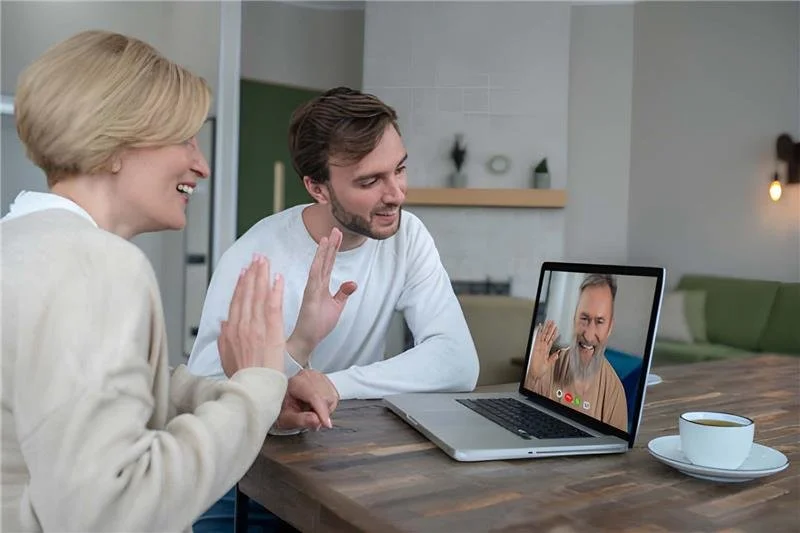
How Online Couples Therapy Can Rebuild Trust and Strengthen Relationships
Relationships rarely fall apart overnight. More often, the distance builds slowly. One small misunderstanding turns into a bigger argument. A hard conversation gets avoided. A partner stops sharing because they feel unheard.
Relationships rarely fall apart overnight. More often, the distance builds slowly. One small misunderstanding turns into a bigger argument. A hard conversation gets avoided. A partner stops sharing because they feel unheard. Before long, both people may still care deeply, but the relationship feels tense, lonely, or unsafe.
For couples in Victoria and across Canada, couples therapy online can offer a practical, supportive way to work through these patterns without waiting until things feel unmanageable. At Heart & Oak Therapy, couples counselling is designed to help partners feel more connected, understood, and secure while learning tools to resolve relationship problems more effectively.
Whether you are dealing with repeated arguments, emotional distance, trust concerns, or communication breakdowns, online relationship counselling support can make it easier to start the work from a familiar space. For many couples, that first step matters.
Why Emotional Connection Can Feel Hard to Maintain
Conflict is normal in every relationship, but it becomes a problem when arguments feel endless, unresolved, or emotionally draining. Maybe you keep revisiting the same fight, or one partner shuts down while the other pushes for answers. Over time, even simple conversations can feel heavy, leaving both partners feeling alone even when they are together.
Heart & Oak Therapy notes that couples in this cycle often feel stuck, disconnected, or unsure how to communicate effectively. That’s where local relationship counselling in Victoria, BC, can help, providing a safe space to slow down, uncover what’s really going on, and learn healthier ways to respond. For busy couples, online counselling offers the same support without the need to travel, making it easier to balance work, family, and schedules.
What Online Couples Therapy Actually Helps With
A common misconception is that couples therapy is only for relationships in crisis. In reality, many couples begin counselling because they want to stop repeating unhealthy patterns before things get worse.
Couples therapy online can support couples who are dealing with:
Repeated arguments that never feel fully resolved
Emotional distance or lack of closeness
Trust issues after hurt, secrecy, betrayal, or disappointment
Difficulty communicating without defensiveness
Feeling misunderstood, dismissed, or criticized
Stress from parenting, work, family, or life transitions
Fear that the relationship is becoming disconnected
Heart & Oak Therapy’s couples counselling focuses on helping partners feel understood, validated, unified, lighter, and more connected again. Their approach is not just about “talking it out.” It is about getting to the heart of the issues and building the tools needed to work through relationship problems constructively.
That makes online couples counselling useful for couples who know something needs to change but do not always know where to begin.
How Virtual Counselling Supports Trust
Trust is not only about honesty. It is also about emotional safety.
A partner may ask themselves:“Can I say how I feel without being attacked?”“Will my partner listen, or will this turn into another fight?”“Can we repair after hurting each other?”“Are we still on the same team?”
When trust is low, even small conversations can feel risky. That is why online couples therapy for trust issues often begins with creating a calmer, more structured way to communicate.
A therapist helps both partners slow down the conversation and notice what happens before the conflict escalates. Instead of focusing only on who is right or wrong, therapy helps uncover what each person is feeling, needing, fearing, or protecting.
This matters because trust often rebuilds through repeated moments of emotional reliability. When one partner can express hurt, and the other can listen without immediately defending, a new pattern begins. When both people learn how to repair after conflict, the relationship starts to feel safer.
Why Communication Often Improves Online
For many couples, communication problems are not really about vocabulary. They are about timing, tone, defensiveness, shutdown, and emotional overload.
You may know what you want to say, but the moment the conversation starts, it comes out sharper than intended. Or you may want to listen, but your body is already bracing for criticism. This is why couples often need more than advice like “communicate better.”
Heart & Oak Therapy also offers SMART Conflict for Couples, a self-paced online course created to help busy couples break frustrating fight patterns and learn communication skills without needing to sit in a therapist’s office. This reflects an important point: communication is a skill, and couples can learn it with the right support.
Through virtual couples counselling for emotional connection, couples can practice:
Speaking more clearly about needs and emotions
Listening without immediately reacting
Understanding the cycle underneath repeated fights
Repairing after difficult conversations
Recognizing triggers before they take over
Rebuilding emotional closeness through small, consistent changes
When Online Therapy May Be Right for Your Relationship
Online therapy can be a good fit if you and your partner want professional support but need more flexibility. It may be especially helpful if:
You live in Victoria but have a busy schedule
One or both partners travel often
You prefer the privacy of joining from home
Childcare or transportation makes in-person sessions difficult
You want support, but feel nervous about attending an office
You are trying to restart difficult conversations in a safer way
We offer support to individuals and couples, providing counselling services and online resources to help couples feel more connected. We can schedule a free 20-minute consult to help you decide whether the therapist is the right fit before starting sessions.
Heart & Oak Therapy’s Approach to Helping Couples Reconnect
Heart & Oak Therapy’s approach is centred on getting beneath the surface of the problem. We focus on insight, perspective, personalized tools, and effective guidance so you can address your issues with greater confidence and skill.
For couples, this is important because the surface issue is often not the full story.
A fight about dishes may actually be about feeling unsupported.A disagreement over money may stem from concerns about safety or control.A conflict about parenting may stem from feeling alone with the responsibility.A reaction to a small comment may stem from an older hurt.
Good couples therapy helps partners understand deeper emotional patterns rather than getting stuck on the latest argument.
Our couples counselling speaks directly to this by helping couples feel hopeful, understood, and confident, and by equipping them with tools to resolve relationship problems. This type of support can be especially valuable for couples who still love each other but feel caught in a cycle they cannot break on their own.
Why Couples Trust Heart & Oak Therapy
Couples choosing a therapist want more than a friendly introduction; they want experience, practical tools, and a trusted approach. Heart & Oak Therapy delivers all of this with a focus on understanding the deeper patterns in relationships.
Experienced Clinicians: Registered Clinical Counsellors Laura Brown and Will Bratt handle complex relationship conversations with care.
Couples & Individual Support: Services cover relationships, anxiety, trauma, parenting, family issues, and self-esteem.
Pattern-Based Approach: Focuses on underlying relationship dynamics, not just stopping arguments.
Practical Tools: Couples learn actionable strategies to improve communication and rebuild connection.
Flexible Options: In-person sessions in Victoria and online counselling for convenience.
SMART Conflict Package: Includes six counselling sessions, a six-module online course, and ongoing support/coaching.
Free Consultation: 20-minute session to feel comfortable before booking.
Insurance Friendly: Receipts available for extended health benefits.
The Local Value of Relationship Counselling in Victoria, BC
Life in Victoria may feel calm, but couples still face work pressures, parenting stress, and family obligations. Whether in person or online, relationship counselling provides partners with a safe, guided space to understand each other, practice connection, and rebuild trust, helping them move from conflict and distance toward understanding and repair.
Final Thoughts
Emotional connection and trust are not rebuilt in a single perfect conversation. They are rebuilt through many honest, supported conversations where both partners learn to show up differently.
Couples therapy online gives couples a flexible and meaningful way to begin that work. Whether you are feeling distant, stuck in repeated arguments, or trying to rebuild trust after a difficult season, professional support can help you understand the pattern and create a healthier way forward.
Take the first step today: book an online therapy session and start strengthening your connection from wherever you are.
FAQs
Q1. Can online couples therapy really help us feel more connected?
Yes. Online therapy can help couples slow down difficult conversations, understand each other’s emotional needs, and learn healthier communication tools. For many couples, the convenience of joining from home also makes it easier to attend consistently.
Q2. Is couples therapy only for serious relationship problems?
No. Many couples use online relationship counselling before things become overwhelming. Therapy can help with communication issues, emotional distance, repeated arguments, trust concerns, and major life transitions.
Q3. What if we keep having the same fight over and over?
That is one of the most common reasons couples seek counselling. Therapy helps identify the pattern beneath the fight, so both partners can respond differently and avoid repeating the same cycle.
Q4. Can online couples therapy help with trust issues?
Yes. Online couples therapy for trust issues can help partners rebuild emotional safety, improve honesty, understand hurt feelings, and practice repair. Rebuilding trust takes time, but therapy provides structure and guidance for that process.
Q5. Is online therapy a good option for busy couples in Victoria?
Yes. Online sessions can be helpful for Victoria couples managing work, parenting, transportation, or full schedules. It allows couples to access professional support without always needing to attend an office.
Q6. Does Heart & Oak Therapy offer a consultation before booking?
Yes. Heart & Oak Therapy offers a free 20-minute consult so clients can connect before starting and feel more confident about choosing the right therapist.